Dubai blends futuristic ambition with deep cultural roots, making it a top destination for travelers, investors, and creators. From towering skylines and sprawling shopping complexes to revitalized heritage districts and a growing focus on sustainability, the city offers a dynamic mix that keeps evolving.
Why Dubai stands out
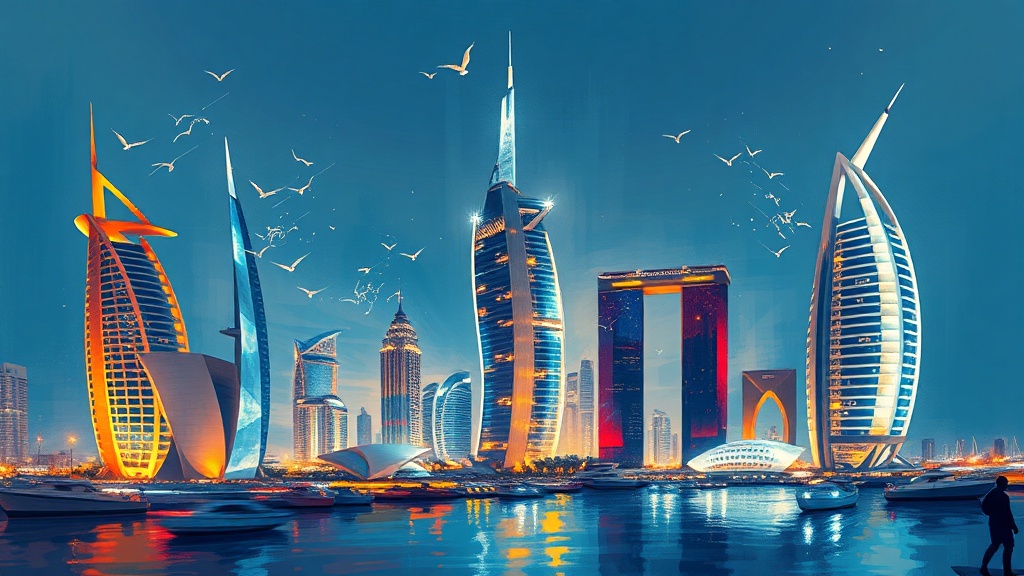
– Iconic architecture: Landmarks like the ultra-tall mixed-use towers, manmade islands, and cutting-edge waterfront developments define the skyline and create endless photo opportunities.
– Seamless connectivity: A modern metro system, extensive road networks, and a major international airport make getting around straightforward, while taxis and ride-hailing apps offer convenient last-mile options.
– Business-friendly environment: Free zones, strong logistics infrastructure, and a focus on fintech and tech hubs attract entrepreneurs and multinational companies looking for a strategic regional base.
– Lifestyle variety: Luxury hotels and fine-dining restaurants sit beside stylish boutiques, vibrant food markets, jazz bars, rooftop lounges, and beach clubs—meeting a wide range of tastes.
Sustainable and smart city direction
Dubai is increasingly emphasizing sustainability across energy, transport, and urban planning.
Major solar projects, rooftop photovoltaic adoption, and investments in electric mobility are part of a broader strategy to lower emissions and increase resilience.
Smart-city initiatives are improving everyday life through digital services, streamlined government transactions, and data-driven urban planning.
These moves are not only environmentally focused but also geared toward enhancing ease and efficiency for residents and visitors.
Culture and heritage
Beyond the glass-and-steel façades, Dubai’s historic quarters offer rich cultural experiences. Restored wind-tower houses, narrow alleyways, traditional markets, and museums highlight the city’s maritime and trading heritage. Cultural hubs and performance venues host international shows, local theatre, and art exhibitions, creating a vibrant arts calendar alongside contemporary galleries and design districts.
Retail, dining, and experiences
Shopping ranges from luxury flagship stores and vast indoor malls with entertainment hubs to traditional souks selling gold, spices, and textiles.
The culinary scene is famously diverse: Michelin-starred restaurants share the stage with casual eateries serving authentic regional cuisines and global street food.
Food festivals and pop-up dining events keep the scene fresh and exciting.
Outdoor and leisure activities
Desert safaris, private yacht charters, and water-sport adventures cater to thrill-seekers, while well-maintained public beaches and family-friendly parks appeal to those after relaxation. Golf courses, cycling tracks, and skyline views from observation decks provide more ways to enjoy the outdoors. For immersive wellness, several resorts combine luxe spa programs with fitness and mindfulness offerings.
Practical tips for visitors
– Travel smart: Use the metro and public transport for cost-effective travel; taxis remain a reliable option for direct routes.
– Climate planning: Aim for cooler months for outdoor activities; daytime heat in peak periods can be intense, so book outdoor plans early or late in the day.
– Cultural awareness: Dress modestly in conservative areas and respect local customs in religious and traditional sites.
– Book ahead: Popular attractions, dining spots, and special experiences can fill up quickly during busy periods—reservations help avoid disappointment.
Dubai continues to balance rapid innovation with a desire to retain and celebrate local character. Whether visiting for business, leisure, or relocation, the city offers an abundance of modern comforts, cultural depth, and memorable experiences.