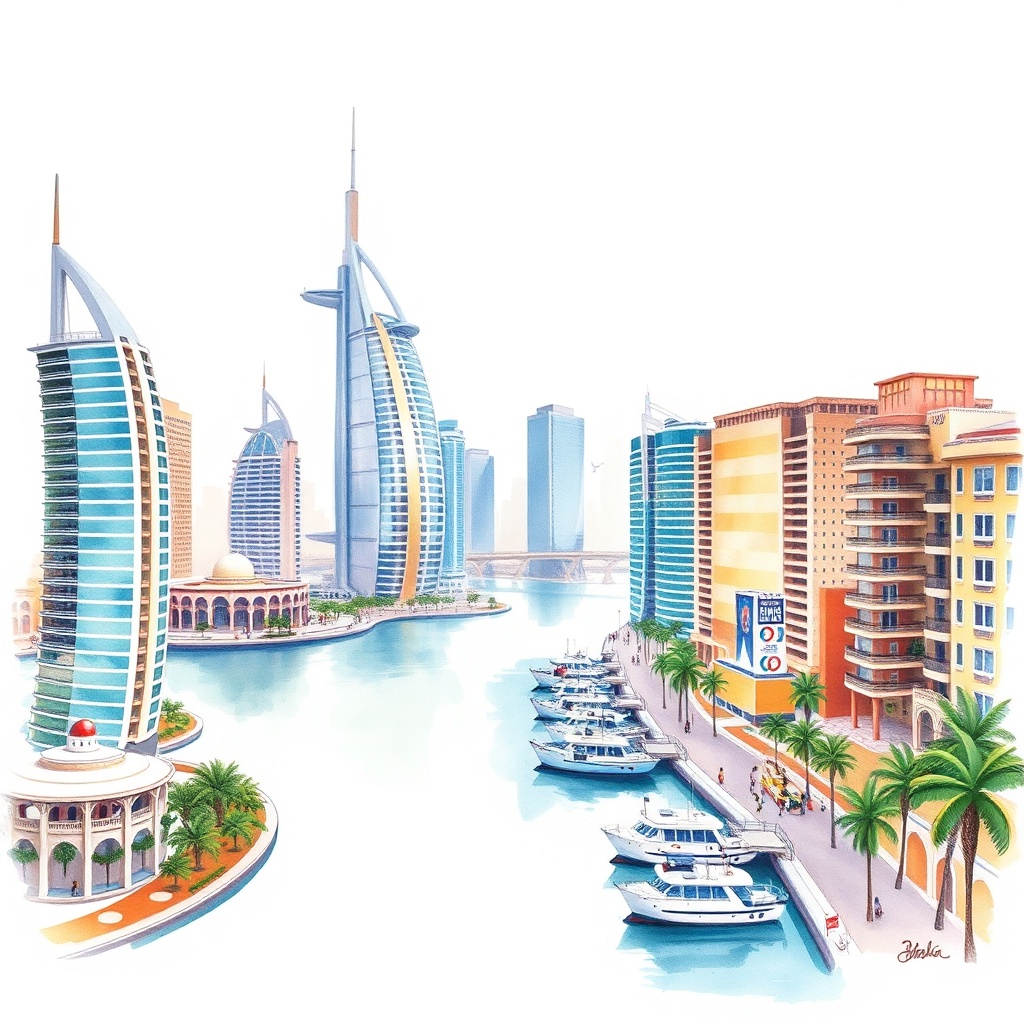
Dubai’s skyline is a familiar symbol of futuristic ambition, but behind the glass and steel is a quieter drive toward sustainability and livability. The city has been balancing rapid growth with initiatives that reduce resource use, expand renewable energy, and create greener neighborhoods — making it a useful case study for cities aiming to grow without sacrificing environmental quality.
Renewable energy and cleaner power
A major focus is shifting Dubai’s electricity mix toward renewables. Large-scale solar projects and distributed rooftop installations are becoming core components of the energy strategy. These efforts reduce dependence on fossil fuels, lower emissions, and stabilize long-term energy costs for businesses and residents. For companies planning to relocate or expand operations, aligning site selection with access to clean energy can improve sustainability credentials and operating resilience.
Greener buildings and standards
Dubai’s building landscape is evolving with stricter green building regulations and incentives encouraging energy-efficient design. Developers increasingly pursue international certifications and local sustainability assessments to drive down energy and water consumption. Features like high-performance glazing, shading systems, efficient HVAC, and smart building management help lower utility bills and create healthier indoor environments. For property investors, green-certified assets tend to attract premium tenants and offer better long-term value.
Sustainable neighborhoods and circular thinking
Low-carbon neighborhoods are becoming a feature rather than an exception. Planned communities prioritize walkability, district cooling, renewable energy integration, and waste reduction strategies. Circular economy practices are also gaining traction: construction waste recycling, food-waste diversion programs, and initiatives to reduce single-use plastics are spreading across residential and commercial districts.
These measures not only reduce environmental impact but also build community resilience and quality of life.
Mobility and low-emission transport
Public transport expansion and electrification are central to cutting transport emissions. Dubai’s metro and tram networks, along with growing electric vehicle charging infrastructure, support commuters and tourists who want alternatives to private cars. Shared mobility options and last-mile electric vehicles reduce congestion and make the city easier to navigate. Businesses that provide employee mobility solutions or invest in EV fleets can lower operating costs and emissions simultaneously.
Biodiversity, conservation and tourism
Conservation efforts complement urban initiatives. Coastal restoration projects, mangrove planting, and protected habitat zones help preserve native wildlife and provide natural carbon sinks. Sustainable tourism experiences — guided conservation tours, eco-friendly desert lodges, and responsible marine activities — are attracting travelers who want authentic experiences with minimal environmental footprint. Operators that emphasize conservation and community benefit find increasing demand from conscious travelers.
Opportunities for businesses and visitors
For businesses, Dubai’s sustainability shift opens opportunities in clean tech, green construction, waste management, and sustainable tourism. Government incentives, innovation hubs, and pilot programs create fertile ground for startups and established companies to scale solutions. For visitors, choosing green-certified hotels, using public transport, and supporting responsible tour operators are simple ways to contribute.
Practical tips for being part of the change
– Opt for accommodations with green certifications or clear sustainability policies.
– Use public transport or shared electric mobility when possible.
– Support tour operators that emphasize conservation and community benefit.
– Reduce single-use plastics and participate in recycling programs where available.
Dubai’s urban narrative is increasingly defined by how growth is managed, not just how high towers rise. The city’s focus on cleaner energy, greener buildings, smarter mobility, and conservation shows how modern urban development can balance economic ambition with environmental responsibility — a model other fast-growing cities are watching closely.