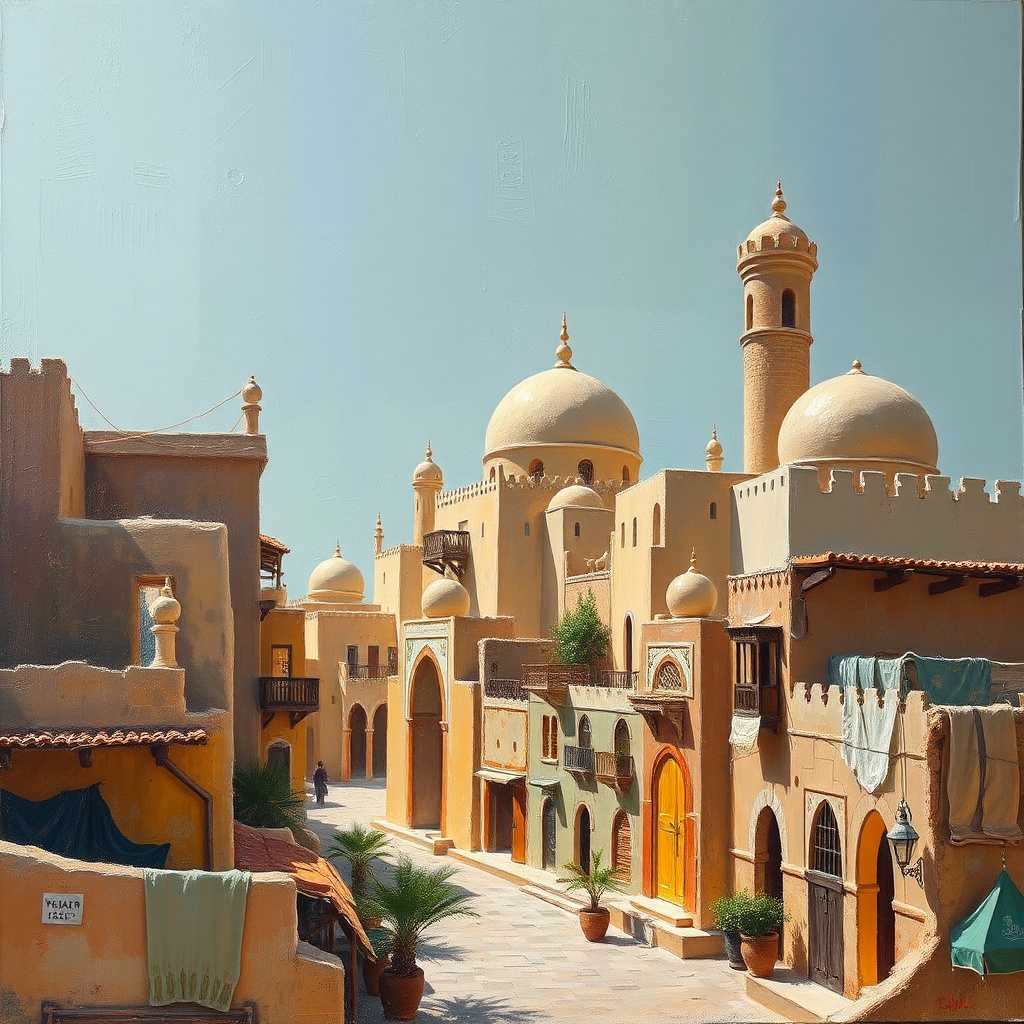
Middle East hotels continue to redefine hospitality by blending timeless local traditions with modern comforts. From urban skyscrapers that showcase cutting-edge design to secluded desert camps offering star-filled nights, the region’s accommodations cater to a wide range of travelers — luxury seekers, business visitors, families, and adventure-minded guests.
What’s shaping guest experiences
– Authenticity over uniformity: Travelers now value hotels that reflect local culture.
Expect properties to incorporate regional architecture, artisanal decor, and locally sourced furnishings that tell a story about their destination.
– Wellness and privacy: Wellness suites, private pools, in-room spas, and tailored wellbeing programs are common.
Hotels are designing private experiences that appeal to guests who prioritize health, rest, and discretion.
– Sustainability focus: Water conservation, energy efficiency, waste reduction, and community partnerships are becoming standard features. Hotels highlight farm-to-table dining, sustainable materials, and programs that support local artisans and conservation efforts.
– Seamless tech: Digital check-in, mobile room keys, contactless payments, and smart-room controls are widespread. High-speed internet and dedicated workspaces support bleisure travelers and remote workers.
– Culinary destination hotels: Kitchens emphasize regional flavors with contemporary techniques.
Rooftop dining, seaside seafood experiences, and market-driven menus create memorable food-focused stays.
Types of stays to consider
– Luxury urban hotels: Ideal for business travelers and city explorers, these hotels often combine high-end amenities with central locations, concierge services, and dramatic architecture.
– Boutique and design hotels: Smaller properties that highlight local character, art, and personalized service appeal to travelers who prefer unique, intimate stays.
– Desert resorts and eco-lodges: For adventurous or wellness-focused guests, desert camps and low-impact resorts offer immersive nature experiences with guided excursions, stargazing, and cultural encounters.
– Beachfront properties: Coastal hotels on the region’s shores pair water sports and leisure with family-friendly programming and luxury beach villas.
– Business-oriented hotels: Conference facilities, flexible meeting spaces, and proximity to financial districts make these hotels convenient for corporate travel.
Choosing the right hotel
– Define priorities: Decide whether location, luxury amenities, family services, or cultural immersion matters most.
That will narrow options quickly.
– Check flexibility: Look for flexible booking and cancellation policies, plus transparent fee structures for extras like early check-in or late checkout.
– Read current guest feedback: Recent reviews reveal staff quality, cleanliness standards, and how well a hotel executes its promises.
– Confirm transport and safety: Verify airport transfers, local transport links, and any additional safety measures the hotel maintains.
– Ask about dietary needs and cultural services: Many hotels offer halal-certified dining, prayer rooms, and family-friendly customs; confirm availability in advance.
Making the most of your stay
– Book experiences through the hotel concierge to ensure quality and support local businesses.
– Request rooms that take advantage of natural light, views, or direct access to private amenities for a more relaxing stay.
– Explore culinary offerings beyond the hotel restaurant to discover neighborhood gems and markets that deepen cultural understanding.
Middle East hotels are evolving into immersive, responsible, and highly personalized environments.
Whether seeking bold luxury, authentic cultural stays, or restful wellness retreats, travelers can find accommodations that align with their values and travel style by focusing on authenticity, sustainability, and clear priorities when booking.