Middle East hotels are reshaping what hospitality means, blending timeless traditions with modern comforts to create stays that appeal to savvy travelers and discerning locals alike. Whether seeking desert solitude, cosmopolitan luxury, or a boutique city hideaway, hotels across the region are leaning into experiences that emphasize authenticity, sustainability, and wellness.
Experience-first stays
Hotels are selling stories, not just rooms. Expect curated local experiences—guided souk walks, private desert dinners, and cultural workshops led by artisans—that turn a short stay into a memorable narrative. Many properties feature immersive design rooted in local architecture and craftsmanship, from intricate tilework and mashrabiya screens to reclaimed-wood furnishings that reflect place and history.
Sustainability that matters
Sustainability has moved beyond marketing into operations. Leading hotels are reducing water consumption with greywater systems and low-flow fixtures, investing in solar and energy-efficient HVAC systems, and sourcing food locally to shrink carbon footprints. Green certifications and transparent sustainability reporting are becoming common, helping guests make informed choices and hotels to attract eco-conscious travelers.
Wellness and restorative design
Wellness offerings have expanded from spas to whole-stay concepts. Sleep-enhancing rooms, circadian lighting, on-property wellness villas, and thermal journeys that include traditional hammams or modern hydrotherapy are standard at many upscale properties. Nutrition-forward dining, personalized fitness programming, and mindfulness sessions create holistic stays for guests seeking restoration rather than just leisure.
Technology that elevates—not replaces—service
Technology focuses on convenience while preserving human touch. Mobile check-in, digital room controls, contactless payment, and integrated concierge apps streamline routines.
Smart-room features like adaptive climate control and voice-activated amenities enhance comfort. At the same time, many hotels maintain strong front-desk and butler services for guests who value personalized interaction.
Culinary destinations
Food remains a major draw. Hotels are investing in signature restaurants helmed by celebrated chefs, rooftop dining with panoramic city or sea views, and experiential food events—chef’s tables, spice-tasting workshops, and pop-up collaborations with local producers. Farm-to-table and traceable sourcing stories are central to menus, reinforcing authenticity and quality.
Design trends: local, luxe, and flexible
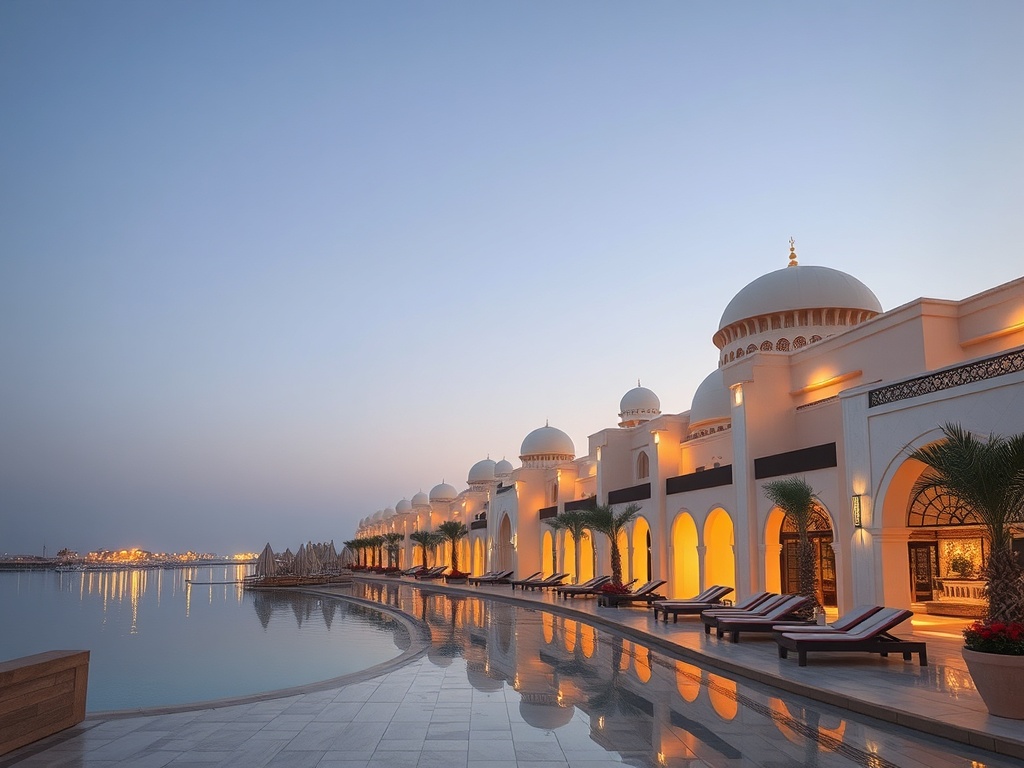
Design blends opulence with local motifs. Expect expansive suites with private plunge pools, desert villas with sand-facing terraces, and compact boutique rooms optimized for comfort and function. Flexibility in public spaces—co-working lounges by day and live-music venues by night—helps hotels appeal to both business and leisure travelers.
Inclusivity and cultural sensitivity
Hotels are increasingly attentive to cultural needs: dedicated prayer spaces, Ramadan-friendly dining options, family-centric facilities, and staff trained in cultural etiquette.
Accessibility features—step-free access, tactile signage, and adapted rooms—are also gaining priority to ensure inclusive stays.
How to choose the right hotel
– Define your priority: wellness, food, cultural immersion, or pure luxury.
– Check sustainability practices and transparent sourcing if eco-impact matters.
– Look for properties that offer curated local experiences rather than generic tours.
– Confirm amenities you need—private transfers, childcare, prayer facilities, or business services.
– Read recent guest reviews for real-time insights on service consistency.
For hoteliers: balance authenticity with innovation.
Invest in local craftsmanship, verifiable sustainability measures, and staff training that elevates the guest journey. Thoughtful design, genuine culinary storytelling, and flexible spaces will keep properties competitive in a market that values memorable, responsible travel.
When booking or designing a stay, prioritize experiences that connect you to place, respect local culture, and offer comfort that cares for both people and the planet.