Middle East hotels are redefining luxury, authenticity, and sustainability as traveler expectations shift from simple stays to immersive, wellness-driven experiences.
From cosmopolitan skyscraper properties to restored desert forts and intimate riads, accommodation trends across the region emphasize local storytelling, cutting-edge technology, and conscious hospitality.
Design and local storytelling
Leading properties connect guests to place through architecture, art, and food.
Urban developments often showcase contemporary design with panoramic views and integrated smart-room controls, while boutique hotels and heritage conversions place greater emphasis on craftsmanship, traditional materials, and curated collections from local artists.
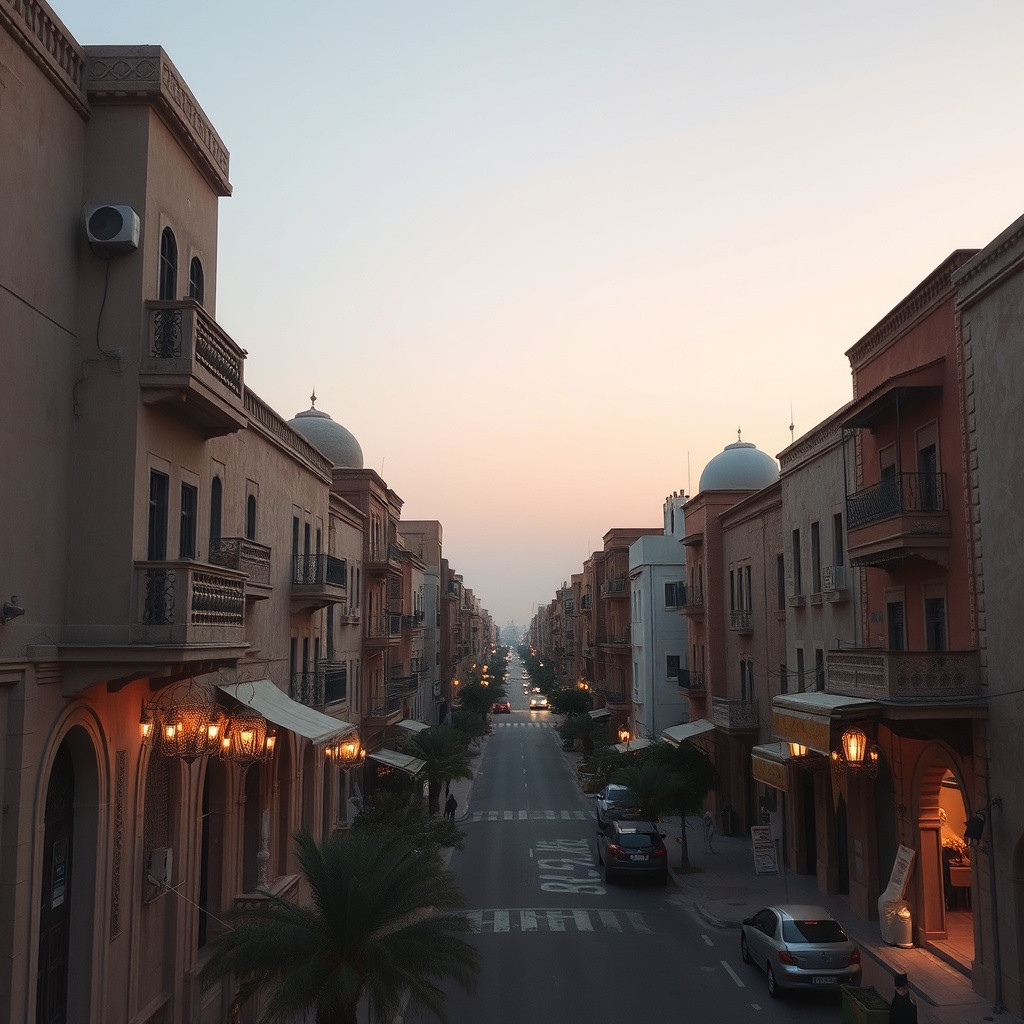
Travelers increasingly seek properties that feel rooted in culture—think courtyard gardens, handcrafted textiles, and architecture that echoes historical motifs.
Sustainability as a differentiator
Sustainable practices are no longer optional. Hotels are investing in solar energy, advanced water-reuse systems, and food-waste reduction programs.
Many properties partner with local farms and fisheries to source seasonal ingredients, which reduces carbon footprint and enhances the guest dining experience.
Certification programs and transparent reporting are becoming common selling points for eco-conscious travelers.
Wellness and experiential travel
Wellness offerings extend beyond spas to holistic programs that blend nutrition, movement, and mindfulness. Desert and coastal resorts emphasize outdoor activities—sunrise yoga, guided dune treks, and marine conservation dives—while city hotels focus on wellness suites, in-room air purification, and curated sleep programs. Personalized wellness itineraries, often paired with private coaching or local healing traditions, appeal to travelers who want rejuvenation rather than one-size-fits-all treatments.
Culinary evolution
Culinary programming is a major draw. Luxury hotels host signature restaurants led by notable chefs and spotlight regional cuisine through modern tasting menus and interactive experiences like market tours and cooking classes. Halal-friendly dining remains standard, but an expanding scene offers craft cocktails, boutique bakeries, and specialty coffee bars to appeal to diverse tastes. Emphasis on provenance, seasonal menus, and plant-forward options reflects global food trends adapted to regional flavors.
Technology and personalized service
Contactless check-in, mobile room keys, and AI-driven personalization tools help streamline stays, but the human touch remains crucial. Hotels balance tech efficiency with bespoke concierge services—curated cultural excursions, private guides, and exclusive event access.
Integration with loyalty programs and targeted offers aims to increase repeat visitation from both regional and international markets.
Meetings, events, and local partnerships
Demand for meeting and incentive travel continues to shape hotel offerings.
Flexible event spaces, hybrid-capable meeting rooms, and bespoke group experiences—such as desert galas or heritage tours—help properties compete. Strategic partnerships with local arts, wellness, and conservation organizations enhance programming and community ties.
Practical tips for travelers
– Choose accommodations that align with your priorities: eco-certification for sustainable travel, wellness programs for rejuvenation, or boutique properties for cultural immersion.
– Check dress and behavior expectations, especially when visiting conservative areas or religious sites; many hotels provide guidance on local customs.
– Reserve signature dining and spa treatments in advance—popular venues and therapists can book quickly.
– Look for hotels that offer easy access to experiences (guided tours, desert safaris, coastal activities) to maximize convenience and local insight.
The region’s hotel landscape is evolving toward experiences that combine authenticity, environmental responsibility, and personalized service. Whether staying in a high-rise in a major city, a coastal resort, or a restored heritage property, travelers can expect hotels to deliver meaningful stays that reflect both modern comfort and a sense of place.